The Three Reasons for Every Relationship Conflict
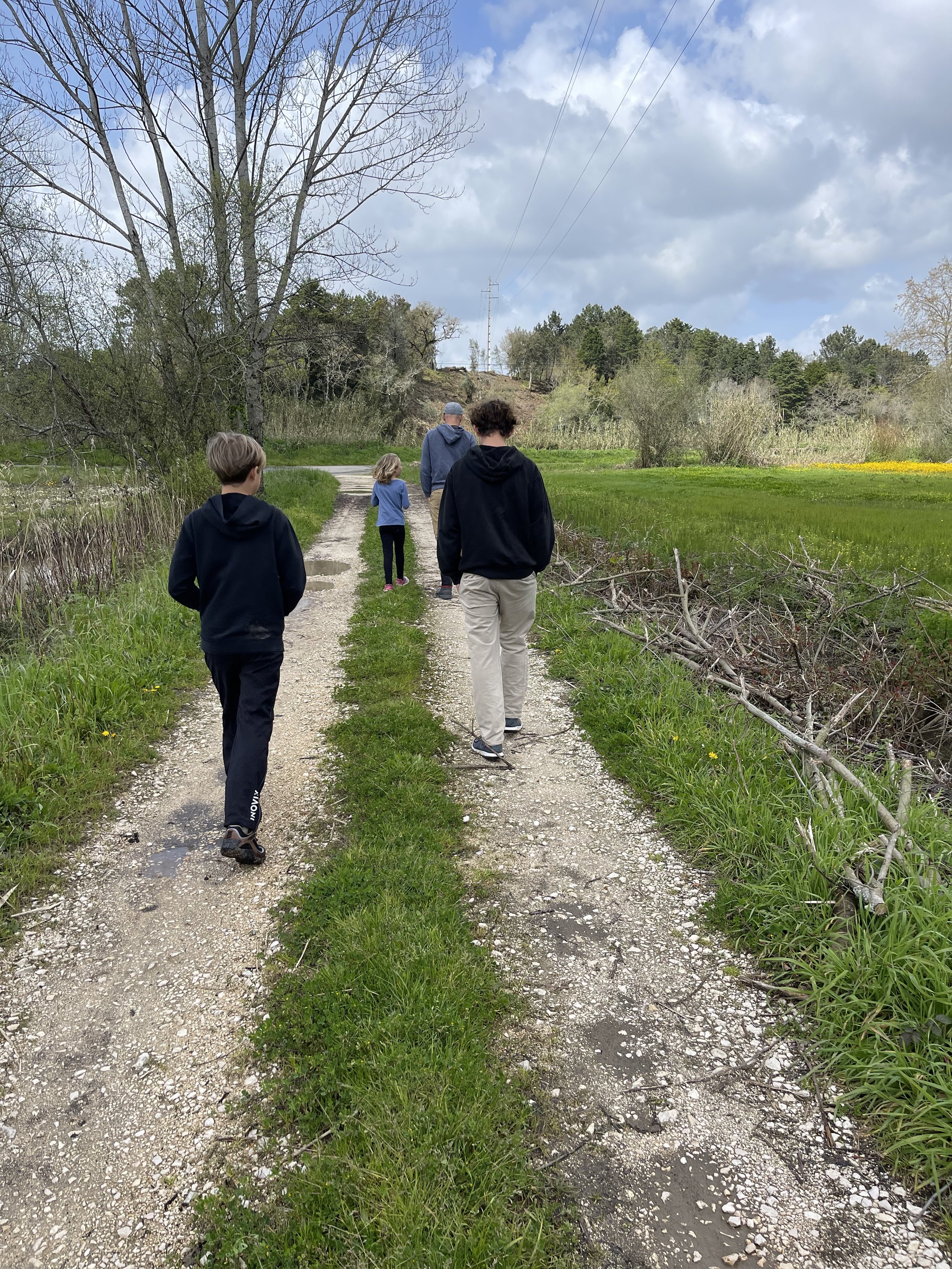
The other day on a hike, I was listening to Esther Perel, one of my favorite thinkers, and she said something that stayed with me:
"It's not what you're fighting about, it is what you're fighting for."
We tend to fixate on the content of the argument: the toothpaste cap, the dishes, the tone, all the small things that seem to matter so much in the moment. But if you look a layer deeper, the intensity rarely matches what's actually happening on the surface.
The cap isn't the point. It carries something else entirely.
My requests don't matter. I'm not a priority. I've said this before and you still don't hear me.
Most recurring conflict falls into one of three underlying themes:
Power and control: There's an imbalance, and one person's needs and priorities are consistently running the show. Who decides? Whose preferences actually count?
Trust, care, and closeness: There's a felt absence of support or reliability. Do you have my back? Are you on my side? Can I count on you when it matters?
Respect and recognition: There's a question of worth. Do I matter to you? Do you see me? Do you value what I bring?
Your job, when you're in the middle of it, is to stop and ask: which of these is actually at stake? Because as long as you're arguing about the toothpaste, your partner has no idea why it matters so much. And neither, honestly, do you.
Once you can name the real theme, the conversation changes. You're no longer fighting about something; you're finally talking about something.
You've probably felt that loop before: the same argument, slightly different version, nothing really moving.
If you want to go deeper, I've written about the communication patterns that keep these loops going.
What assertive communication actually looks like in practice.
Why couples keep having the same fight.
What happens when conflict becomes the default climate in a relationship.
And if you'd like to work through it with someone, you're welcome to book a free thirty-minute consultation here.