Managing Everyone’s Emotions on Vacation: The Adult Child’s Dilemma
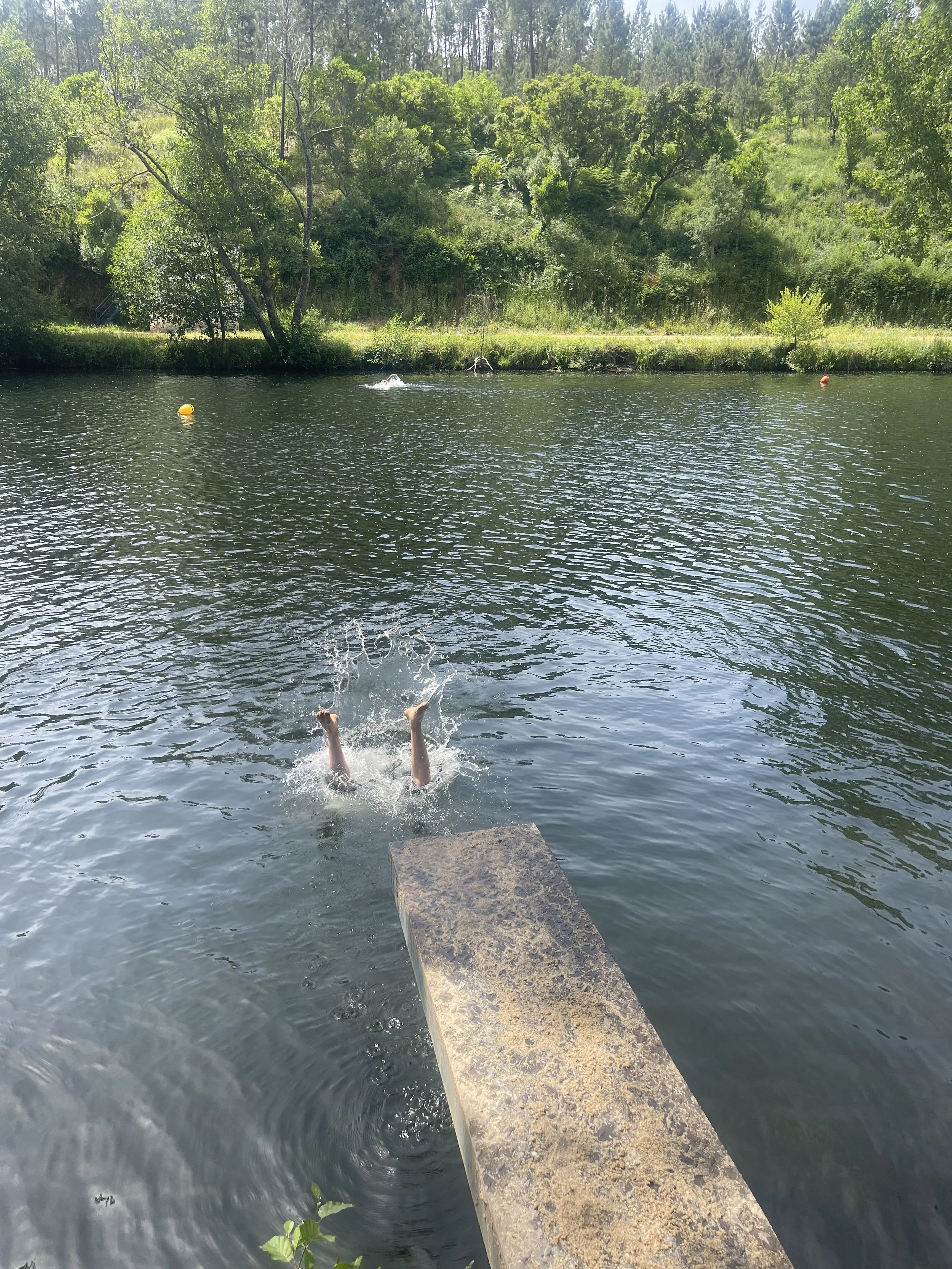
They arrived at the lake house in the early evening, still sticky from the drive, still half in travel mode. The place looked like a catalog version of ease: pine trees, mismatched chairs, a canoe propped against a birch, towels already out on the railing.
His mother was already pacing when they arrived. “You made it,” she said, and immediately started listing what still needed to be done. Not worried, exactly, just checking things. Had they brought enough life vests? Were the kids strong swimmers? Did everyone know the fire rules?
By the time they sat down for dinner, he could feel the old knot in his stomach, the one that always showed up here, that felt like responsibility, like unfinished homework. His mother barely touched her plate, too busy passing things, wiping crumbs, refolding the napkins someone had crumpled. The children were loud and wild from hours in the car, which made her flinch every time a fork hit the floor or a chair scraped too fast against the deck.
He could already feel the tightness in his voice when he spoke to his kids. The edge in his warnings. The reflexive way he started scanning for risks.
Later that night, while the kids were brushing their teeth, he caught his wife’s eye as his mother launched into her second round of questions about the water safety plan for the next day. She didn’t say anything, but her look was enough. You could almost see how unbearable it was for her. He tried to smile, tried to shrug it off, but the pressure was already mounting.
These were the dynamics that didn’t show up in the vacation photos. Not the view of the lake or the kids cannonballing into the shallows, but the adult child working overtime. Trying to be gracious. Trying to stay calm. Trying to keep his children appropriate. Trying to keep his wife from snapping. Trying to absorb his mother’s anxious energy without making her feel judged. He was the one who held the threads: parent to his children, child to his parents, constantly toggling between roles. Making sure the grandparents got enough time. Making sure the kids didn’t push too far. Making sure his partner didn’t lose her patience, and then covering for it when she did.
He didn’t just want support from her. He wanted her to know how hard it was. But not too hard. He wanted her empathy, but not her opinion. Because if she mirrored back his judgment too directly, he would bristle. He would defend the same behaviors he had just been privately unraveling.
Especially when the behaviors weren’t malicious. Just deeply inherited. His mother’s constant vigilance. Her need to control the smallest variables. The way every meal required a plan and a back-up plan. The way a child’s wet footprint on the floor could trigger a monologue about slipping hazards and drying techniques. She didn’t call it fear. She called it caring. She didn’t see it as restriction. She saw it as love.
And that’s what made it hard. Because he loved her too. Because he could see himself in her. Because when his partner pointed out the same controlling tendency in him, he felt exposed. He didn’t want to become what he had spent his adult life trying to soften.
But this is what family visits do. They bring out the version of yourself that you thought you’d outgrown. The one you manage better or try to deny but still flares under pressure.
It wasn’t just her. He lay in bed that night, stared at the wood beams above him, and wondered how much of this anxiety was really his. It felt old. Like something he had inherited without realizing. Like a scent that lingers on your clothes long after you’ve left the room. He wasn’t angry exactly. Every moment with his mother could feel loaded, like walking through a room full of tripwires. Unless certain conditions were met.
But it wasn’t just her. It was him too. He heard his own voice earlier in the day: sharp, overcorrecting, the way he had rushed the kids out of the canoe, the way he snapped about the wet towels. He sounded like her. Not exactly in tone, but in the urgency. The way small things suddenly felt outsized. Loaded. Like they carried more weight than they should.
He thought about the way his mother talked about the trip. How she said she had rented the place for them. How grateful they should be. How much she did. And he wondered if he did that too. Did he mask his own need for control as generosity? Did he call it sacrifice when really it was about comfort?
These weren’t easy questions. But they felt important. And sitting with them was its own kind of work. No therapist needed. Just a lake house. A parent who wouldn’t stop fussing. A partner holding up a mirror. A child jumping barefoot on a dock while he debated whether to intervene.
He didn’t. He watched. And for a second, the fear let go of his body. Not completely, but just enough to remember that some of this might not belong to him. Some of this could be returned.
That’s what going home does. It makes old roles flare up in new ways. You end up defending what you resent. You pull your partner into your lineage and then get angry when they take a position. You feel like a child again, but you don’t get to be one. Because now you’re the parent. And everyone is watching how you respond.
It’s easy to say his mother is anxious. That she overfunctions. That she tries to manage the atmosphere with worry disguised as helpfulness. It’s harder to see how much of that he absorbed. How much of it he protects. And how much of it he can control.
Are you interested in working on your personal development? Are you looking for a life coach or a life consultant? Are you feeling stagnant? Do you want to jumpstart change?
My transformational approach is a process where awareness, alignment, and action work together as catalysts to create momentum for change.
*Awareness is knowing what you genuinely want and need.
*Alignment is the symmetry between our values and our actions. It means our inner and outer worlds match.
*Action is when you are conscious that what you say, do and think are in harmony with your values.
Together we build an understanding of what you want to accomplish, and delve deeply into building awareness around any thoughts and assumptions that you may already have. To truly transform your life, I will empower you to rethink what’s possible for you.
__
Learn more about my approach to life consulting and relationship coaching here or get in touch for your free 30-minute consultation here! Don’t forget to follow along @LilyManne on social for more regular updates!