Step Parent Discipline Problems: Why Power Struggles Happen in Stepfamilies
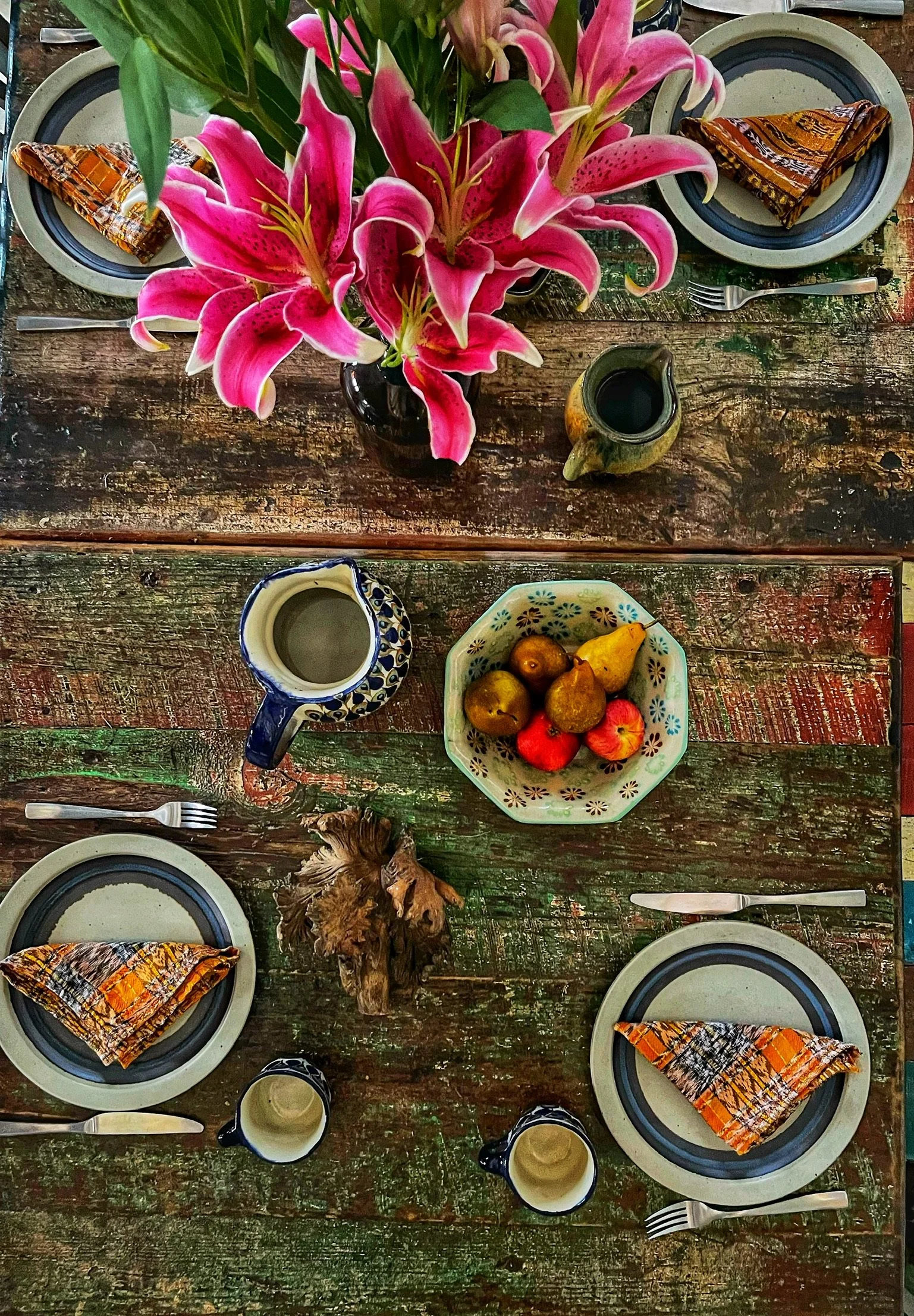
The Dinner Table
The table is already set when the boy comes down.
Three plates. Three glasses. The ribs are in the center of the table, still steaming. The mother moves quietly between the stove and the table, placing the last dish down, aware of the fragile silence that often exists at the beginning of dinner.
There is always a small window at the start of the meal when things could still go well.
The stepfather is sitting already. He tells himself he is not monitoring, but his attention keeps landing on the boy’s hands. The fork. The knife. The napkin. The boy sits, loose in his chair, and it is hard to know whether the looseness is ease or defiance.
The meal begins. For a few minutes it is almost normal.
Then the boy lifts a rib and turns it sideways. Instead of cutting the meat away, he opens his mouth and pushes the whole thing in. Bone, sauce, everything. It stretches the corners of his mouth in a way that actually looks painful. He chews anyway.
Across the table, the stepfather freezes. There is a scrape of teeth against bone that fills the room.
“Use your knife,” he says. The boy keeps chewing, eyes down, like he did not hear. Like he heard perfectly.
Across the table, the mother feels the familiar tightening in her chest. She is not looking at the rib. She is watching her husband’s face. She knows the look that comes right before a correction turns sharp.
Later in the meal, the boy pulls the tomato out of his burger and places it deliberately on the side of the plate.
He actually likes tomatoes. That is the part that makes it hard to explain, even to herself. It is not a preference. It is a move. The reaction in the stepfather is immediate. He experiences the boy’s manners as disrespect, but the word disrespect is too small. It lands closer to something else: the feeling of not being taken seriously in his own home. It makes his body stiffen. His jaw. His shoulders. His tone shifts before he decides it will.
He believes he is addressing behavior. He believes he is teaching a child how to exist in the world.
By now the pattern is so familiar that everyone in the room can feel it before it happens. A small act. A correction. A flare of irritation. Bracing
From the outside, it looks ridiculous. A rib. A tomato. Table manners.
But the dinner table in stepfamilies often carries more weight than anyone intends. Stepfamilies often hold an unspoken tension around authority. Biological parents get legitimacy by default. A step-parent has to establish authority over time while daily life continues moving. Correction becomes almost unavoidable.
When the stepfather tells him to use the knife, the boy experiences authority from someone who hasn’t earned it. You do not get to control me.
The boy might not think those words. But his body and his choices say them. He presses back in the only language available to him. Not a speech. A gesture. A rib. A tomato.
At the same time his attention moves to his mother.
Children in stepfamilies often track loyalty with remarkable precision, because the family structure has shifted and they are trying to understand where they stand.
Are you with me?
Are you with him?
The mother feels the pull from both directions. Her partner or her child. Neutrality can feel like the only position available. Yet neutrality in a triangle keeps the tension circulating.
The stepfather corrects.
The boy resists.
The mother tries to soften the moment. She tries to protect both and lands in the middle.
Another layer sits underneath the behavior itself. Children sometimes test relationships through difficulty. Not because they want rejection, but because they are measuring how stable the relationship is when conflict appears.
What happens between us when I am difficult? What happens if I press? What happens if I refuse?
These moments do not follow a clean logic. A child can be testing several things at once. He can be protecting autonomy and also looking for engagement. When the stepfather’s biggest emotional responses arrive through correction, conflict can become the main channel of connection, even if it is a painful one.
Shame can slip into the system as well. Correction at the dinner table is public. What feels like guidance to an adult can feel exposing to a child. Once humiliation enters the moment, defiance becomes a way to regain dignity.
After enough repetitions the pattern moves into the body. The stepfather’s shoulders clench when he sees the rib lifted the wrong way. The boy senses the tension and braces. The mother feels the shift in the air before anyone speaks.
By the time the correction is voiced, the loop has already begun.
The stepfather experiences disrespect.
The boy experiences control.
The mother experiences divided loyalty.
Each reaction confirms the others.
And so dinner becomes a strange nightly experiment.