Why Can’t You Accept My Apology?
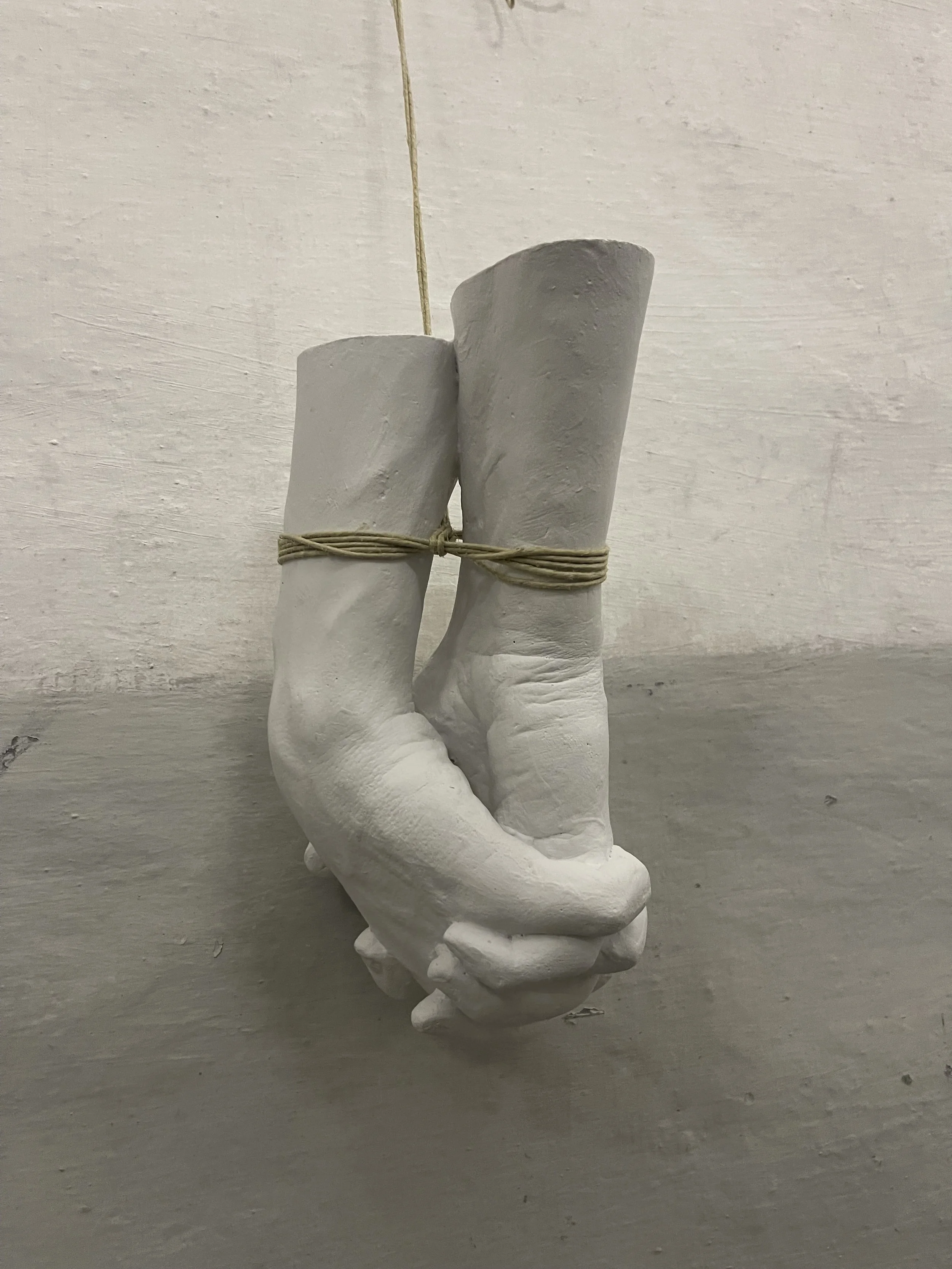
Why sorry is never enough
Have you ever received an apology that sounded right, but you could feel that its purpose was to shut you up?
I know that feeling well. I love repair. I love the moment when the air changes, when two people find each other again, when the hard thing has been named and something in the body can let go. But I also expect a lot from an apology. Maybe too much. Sometimes.
When I can feel my husband saying sorry, but I can read his mind thinking, Will this finally shut her up? Can we be done? I feel more attached to the pain and injury than I was before his failed apology. And then I can feel him thinking, I can never get it right. When I say I’m sorry, it’s never enough.
And I understand that feeling. It can be maddening to apologize and still feel like the situation isn’t solved. He said the words. He admitted the thing. He tried to repair. And somehow, instead of softening, I am even more hurt.
So what is it with apologies? Why do we get them so wrong when we are trying to get them right?
Often, the apology answers the smallest possible version of the injury. It does not speak to the deeper story inside the injury. And that deeper story is where the hurt lies.
You apologized for being late. For forgetting. For snapping. These are factually correct apologies. They are also emotionally incomplete.
They address the event, but they do not address the meaning the other person took in.
On the surface, it is not a catastrophic event. But inside me, the thing starts attaching itself to a bigger story: the mind reaches for pattern, context, and old evidence. He is not thinking about me. He is selfish. My time is more flexible than his. My needs can wait. I am the one who has to adjust.
Now, are all of those thoughts fair? No. Are they the full truth of who he is? No. But am I feeling them in the moment? Yes.
And if he says, “I’m sorry I was late,” but never touches the story that formed around the lateness, the apology feels thin.
This is where a failed apology can become its own injury. Because now the hurt is not only about what happened. It is the experience of: I tried to show you where it hurt, and you still didn’t find it.
It tells you something painful: my pain is being managed, not understood. And if I cannot feel that you grasped what happened, it is harder to trust that it will not happen again.
This is why the hurt partner sometimes cannot move on even after an apology. It is not stubbornness. Nothing in the exchange reached the part of them that was hurting.
If the thought running underneath your apology is, Will this finally shut her up? Can we be done? it will come through. Not necessarily in your words, but in your body or tone. And once that agenda is felt, the apology has already moved away from repair.
A real apology has to become more curious than defensive. It has to be willing to understand the pain without immediately deciding whether the pain is fair.
You are not interviewing the facts like a detective. You are trying to understand the pain. What did this touch? What did it mean? What old story did it wake up? What version of me did my behavior create in your mind?
The best apologies are willing to approach the worst story your partner is already telling themselves. Not because that story is entirely true. But because the apology has to speak to the harshest interpretation your behavior made believable.
“I’m sorry I was late,” becomes, “I can see how being late again made you feel like I expected you to absorb the cost of my choices. Like my time mattered more than yours. I can see why that hurt.”
“I’m sorry I snapped,” becomes, “I can see how my tone made you feel like my discomfort mattered more than your feelings. I can see how that would make you feel like I don’t care.”
That kind of apology does not say, “I am a terrible person.” It says, “I understand the story my behavior made possible.”
That is the difference between shame and accountability. Shame makes the apologizer the center. Accountability stays with the impact.
A real apology does not only say, I see what I did. It says, I see how it landed. I see the story you made of it. I see why it hurt.
That is what makes repair feel real. Not the word sorry. Not being agreed with completely. But feeling that the other person finally saw the wound.